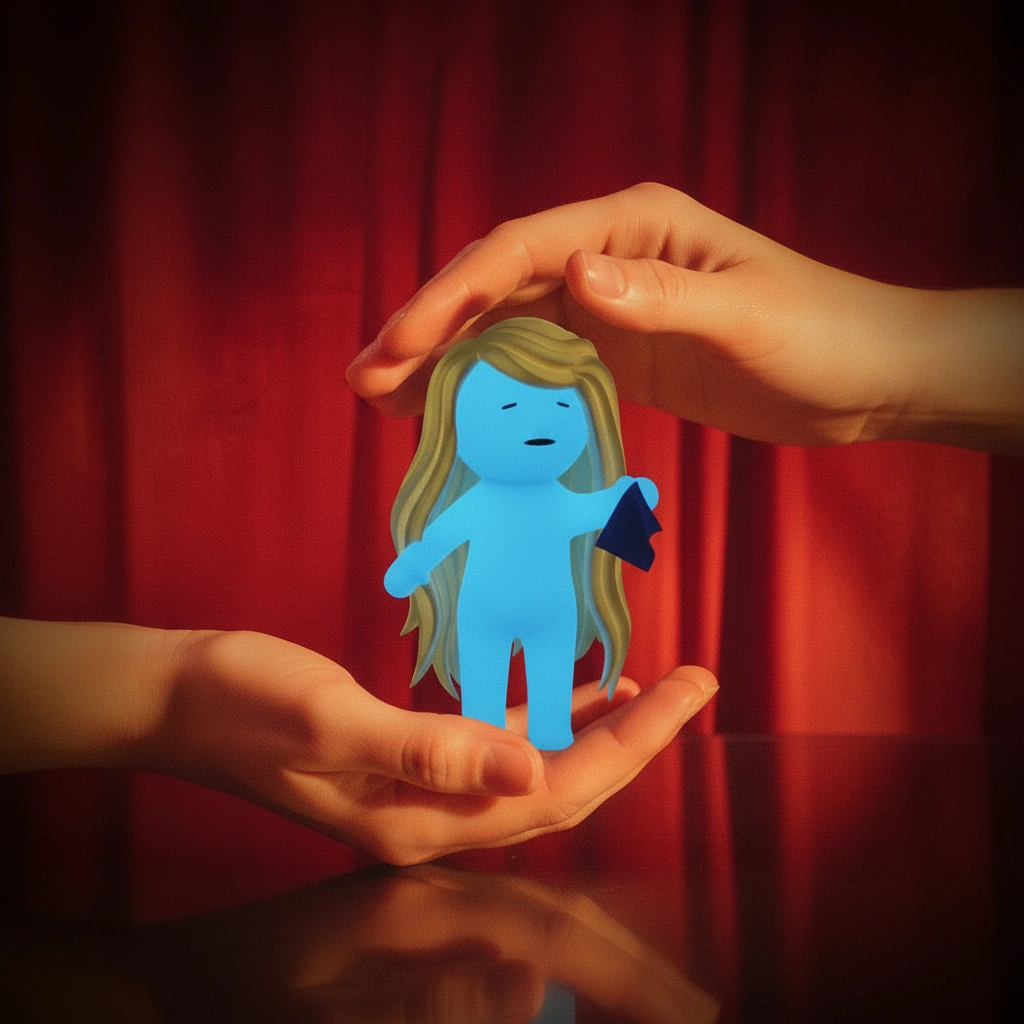

Mundos come in blind boxes. You’ll never know which one you’ll get.
We’re thrilled to announce we’ve raised a Series A led by


Mundos are tiny seekers shaped by feelings, memories, and the planet they wander. Collect them, trade them, and help keep their world, and ours, a little brighter.


We refuse to accept a future where climate action has mostly meant checking a box when you fly, or choosing ‘carbon neutral shipping’
What if doing good felt simple? What if it felt… fun? That’s what these little figurines are made for.



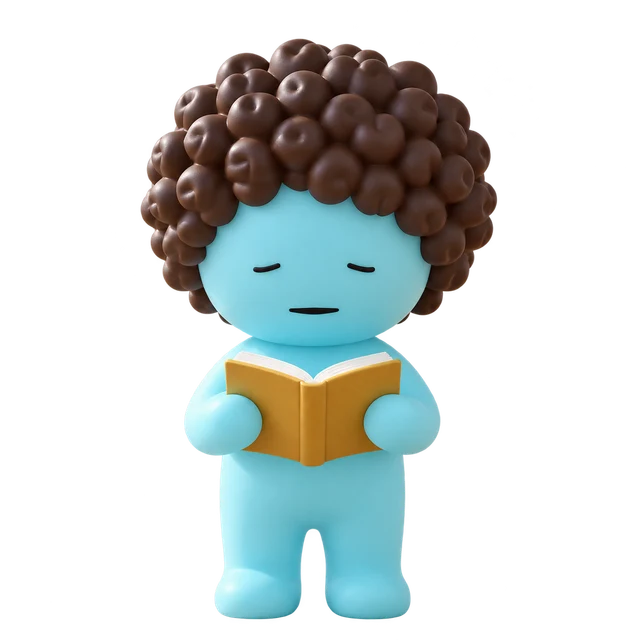
















Mundos come in blind boxes. You’ll never know which one you’ll get.
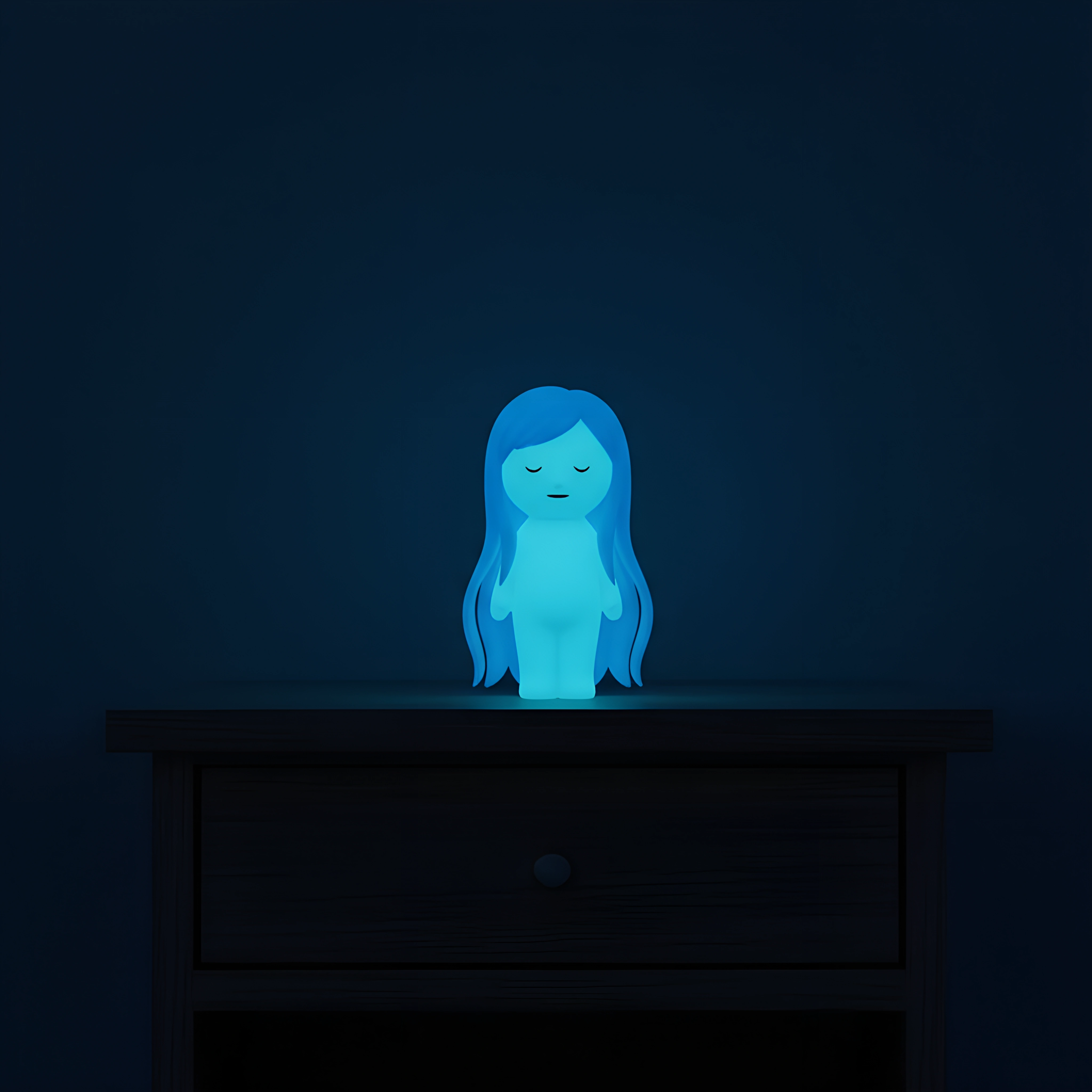

Some come in slim. They’ve been born with a light amount of carbon.
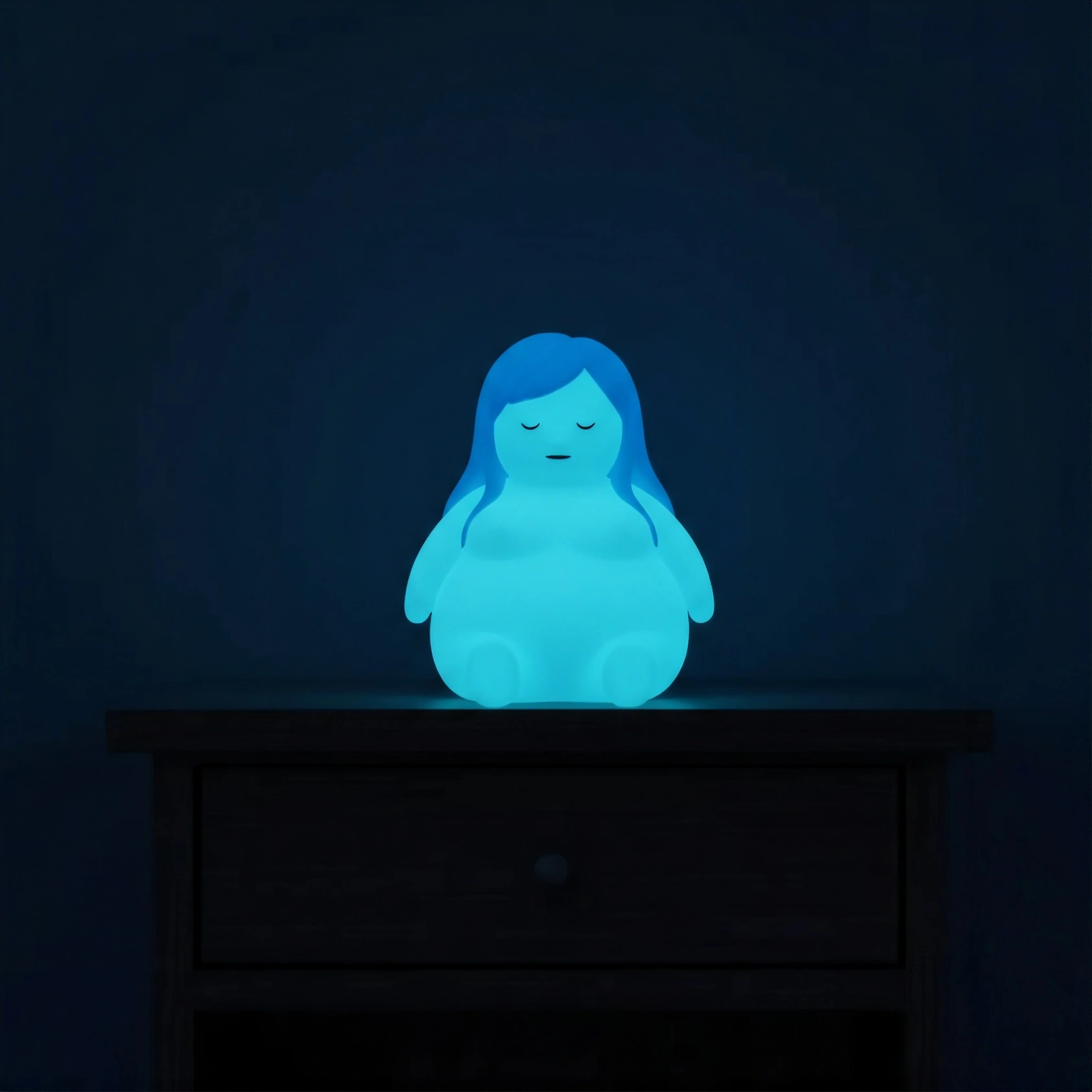

Others come in chunky. They’ve been born with a higher amount of carbon.


And then there’s the Rare Legendary Fat Princess. They are born with a carbon so big, companies want to buy it from you.
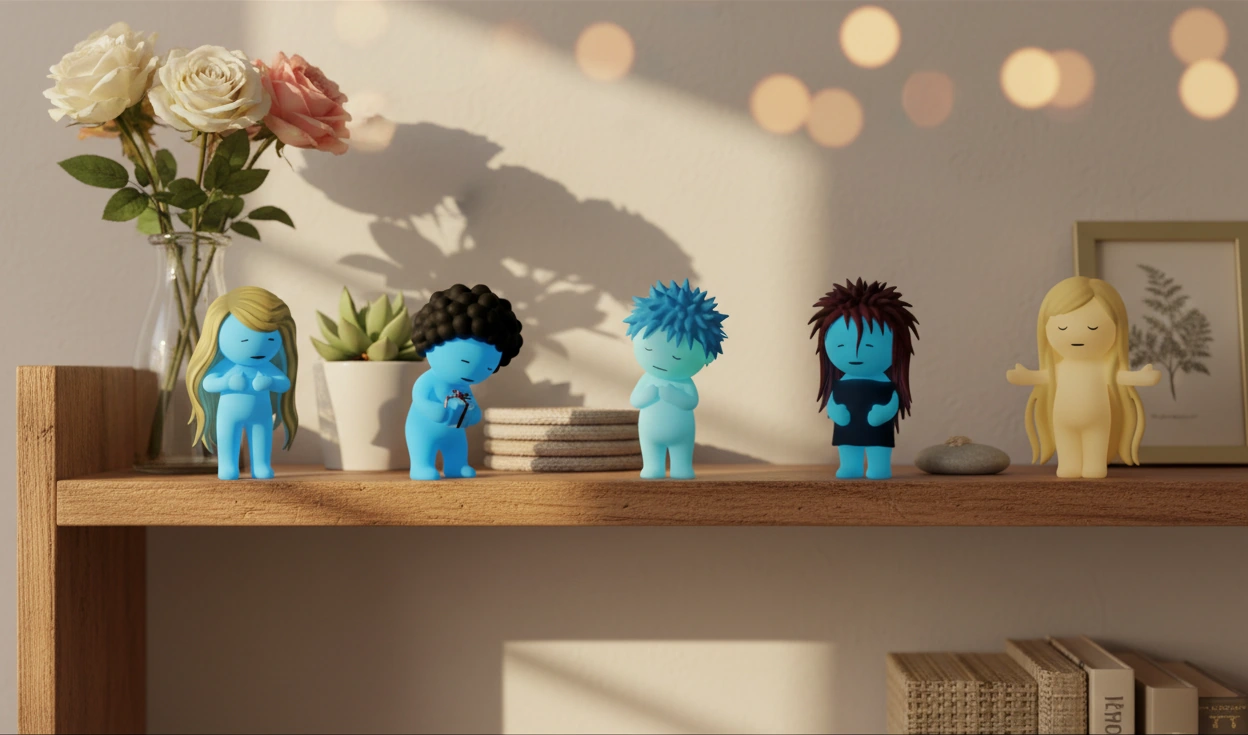
In Love. These Mundos are soft, dreamy, and full of warmth. Open this set to meet the little creature diving headfirst into everything.
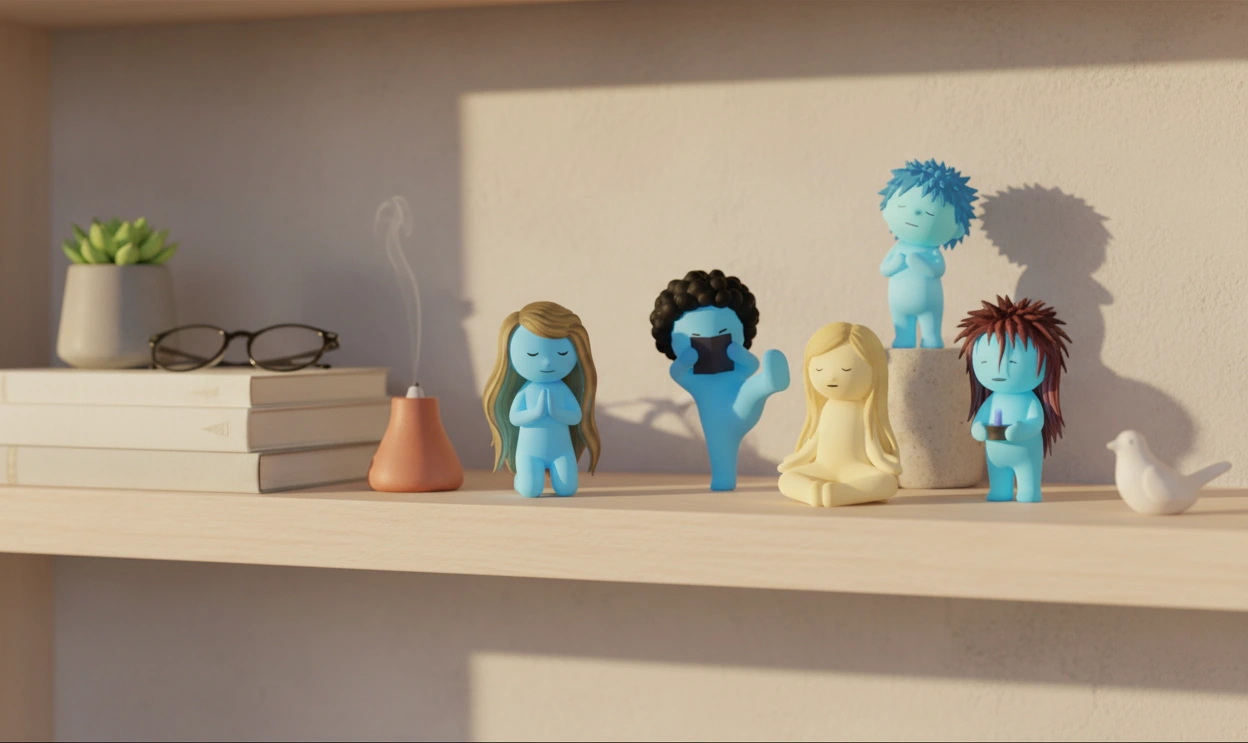
Finding the Light. These Mundos wander with calm eyes and peaceful vibes. Open this set to see if you found the little seeker looking for signs and tiny miracles.
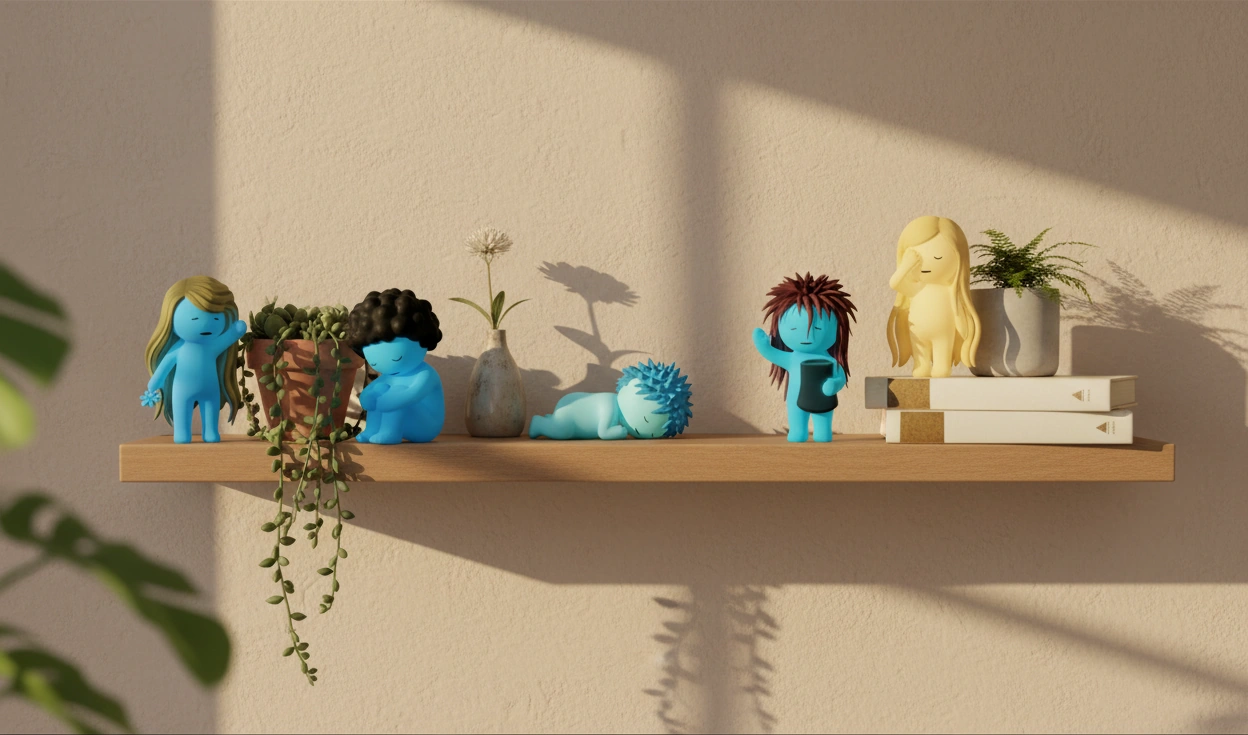
“It’s not you, it’s me.” These Mundos are in a post-breakup spiral. Open this set to see if you pulled the one who cries at grocery store music and swears off dating (until next week).
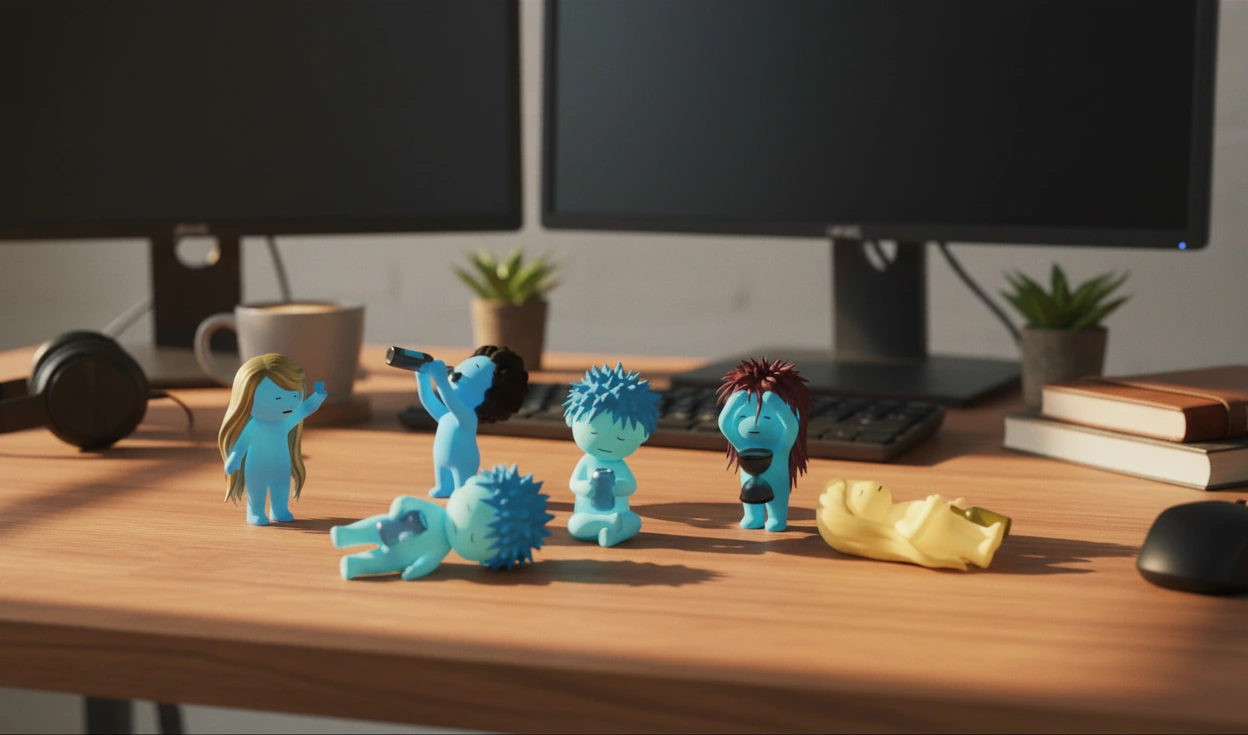
Going alcoholic to fill the void. These Mundos thrive on chaos. Open this set to see if you found the tiny creature who parties hard and insists they’re “totally fine” while glowing a bit too brightly.
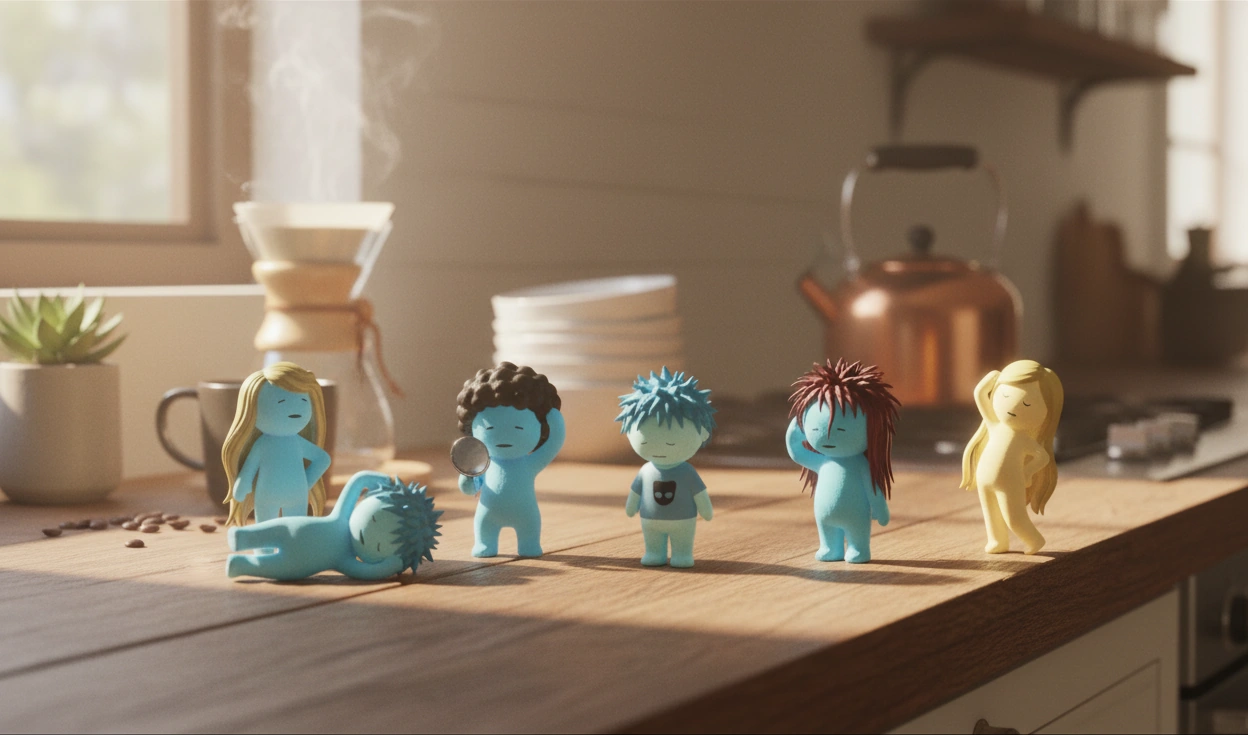
Player era to feel desirable. These Mundos are flirty and carefree. Open this set to see if you pulled the one who collects compliments and falls for people they just met.
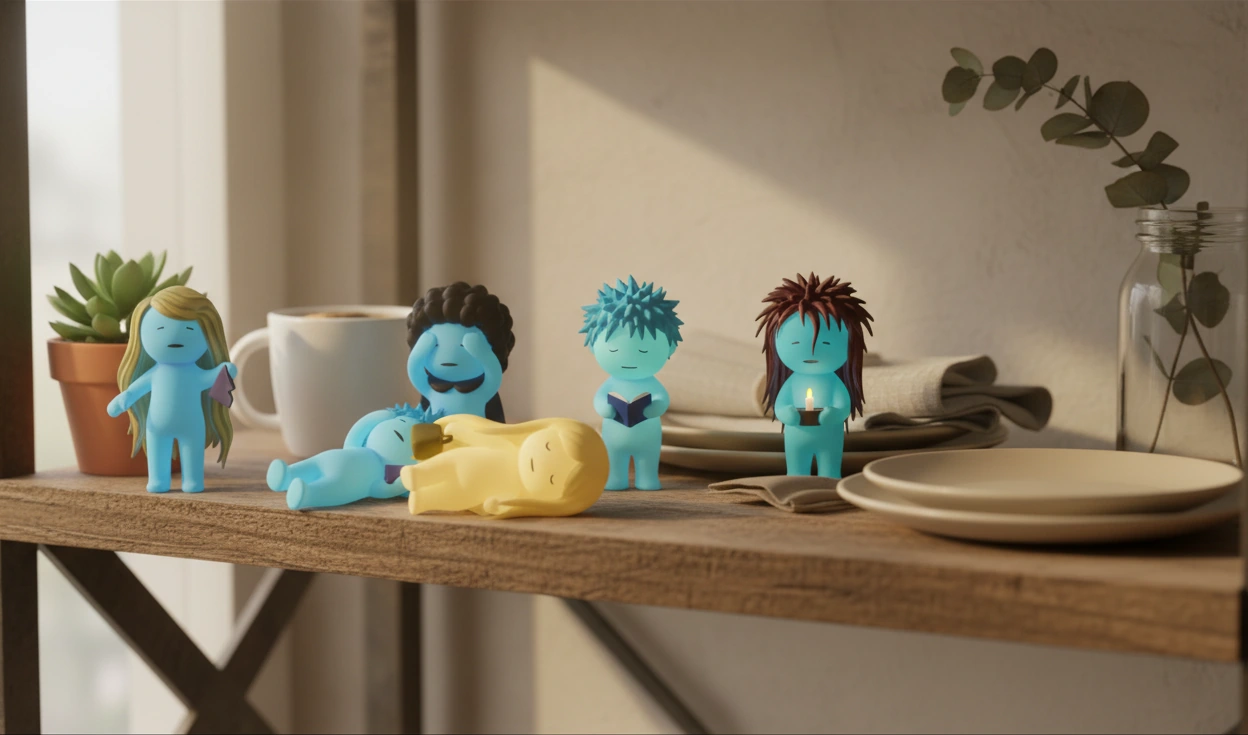
Therapy. These Mundos are calm and reflective. Open this set to see if you found the one learning boundaries and discussing feelings like it’s a new hobby.

Every Mundo is a figurine first : cute, collectible, and yours.
But each Mundo is also tied to a verified carbon cleanup project somewhere in the world. That cleanup has a real serial number and a real market value, because companies use these cleanups (also called carbon credits) to offset the emissions they can’t avoid.
You, as the owner, can trade your Mundo with other people. Some trade for characters they love. Others trade for cleanups they want; maybe a bigger one, maybe a smaller one, maybe a rarer one. And if you get the Rare Legendary Fat Princess which contains one of the rare, high-value cleanups, companies may buy that cleanup from you outright. Not because it’s cute, but because they need the environmental value attached to it.
You keep the toy. They buy the cleanup proof.
It’s a fun collectible… that also holds a real piece of climate action.
A Mundo is a collectible figurine with a real carbon credit attached. Each character connects you to a carbon project and a specific amount of emissions reduced or removed. A little friend for your shelf, with something real behind it.
You choose a collection, but the character inside stays a surprise until you open the box. Some Mundos are rarer than others, and their associated cleanup amounts can vary. You might meet your favorite immediately, or discover someone you weren’t expecting.
Different Mundos carry different amounts of carbon credits as part of the collection. Some represent a smaller amount; others hold more. The amount refers to the emissions represented by the attached credits, not the physical size of your little friend.
It means the credit attached to your figurine comes from a specific project that reduces emissions or removes carbon from the atmosphere. That connection should be traceable through project information and credit records. Your Mundo represents that work; the figurine itself doesn’t absorb carbon.
Details to be confirmed. Your Mundo’s record should show its associated amount in kilograms or tonnes of CO₂ equivalent, along with the project behind it and whether the credit is still available to trade or has been retired.
You’re trading the carbon credit associated with your Mundo. The credit represents a documented amount of emissions reduced or removed, and ownership can pass to another buyer. Once a credit is retired, it is taken out of circulation and can no longer be traded.
That’s the proposed setup: keep your little friend and transfer the associated carbon credit separately. After a sale, the figurine remains yours, but the credit and the right to use it belong to the buyer. Details to be confirmed.
Companies buy eligible carbon credits to support climate projects and, when retired, use them toward specific climate commitments. A company could be interested in the credit associated with your Mundo if it meets its requirements. Its interest would depend on the underlying project and credit, rather than how adorable your figurine is.
There isn’t a fixed amount. A credit’s value depends on factors such as the project, the quantity, its verification, and buyer demand. A rare figurine doesn’t automatically carry an expensive credit, and neither rarity nor ownership guarantees a sale or a profit.
Details to be confirmed. This is where you’ll find the supported selling process, any fees, and the requirements for transferring your credit. Until those arrangements are confirmed, we can’t promise a trading venue or immediate cash-out.
A carbon credit generally represents one metric tonne of carbon dioxide equivalent that a project has reduced or removed. Think of it as a recorded unit of climate work that can be bought, transferred, and eventually retired. “CO₂ equivalent” lets different greenhouse gases be measured using the same unit.
Verification involves checking a project’s methods, measurements, and results against a carbon standard, typically through an independent auditor. Registry records then help track the credits issued and whether they have been retired. Details to be confirmed.
The aim is to connect your purchase to verified work that reduces or removes emissions and give you a tangible way to participate. The exact contribution depends on the project and how the attached credit is sourced and used. Simply holding or trading a credit doesn’t automatically offset your own emissions, and transferring it doesn’t create another round of cleanup.
Details to be confirmed. Carbon projects can work in different ways: some remove carbon already in the atmosphere, while others reduce or avoid emissions. Each Mundo’s project information should explain which kind of work its credit represents, where it happens, and how it is measured.
Retirement means permanently taking the associated credit out of circulation so it can’t be sold or used again. It records that the credit has been used for a stated purpose, rather than kept for a future buyer. Your figurine can stay on your shelf. Details to be confirmed.
My Mundo fell off my shelf and I apologized to him. That’s the level of emotional grip this tiny plastic man has on me
 Marco T., 21Software Engineer
I bought it for the carbon cleanup.Not because I am a grown adult who still wants tiny toys.
 Mark L., 32Product Manager
Passengers keep asking what the little dude on my dashboard is. I tell them he’s my carbon-cleaning coworker. 5 stars for him.
 Omariana H., 28Uber Driver
My Mundo fell off my shelf and I apologized to him. That’s the level of emotional grip this tiny plastic man has on me
Marco T., 21Software Engineer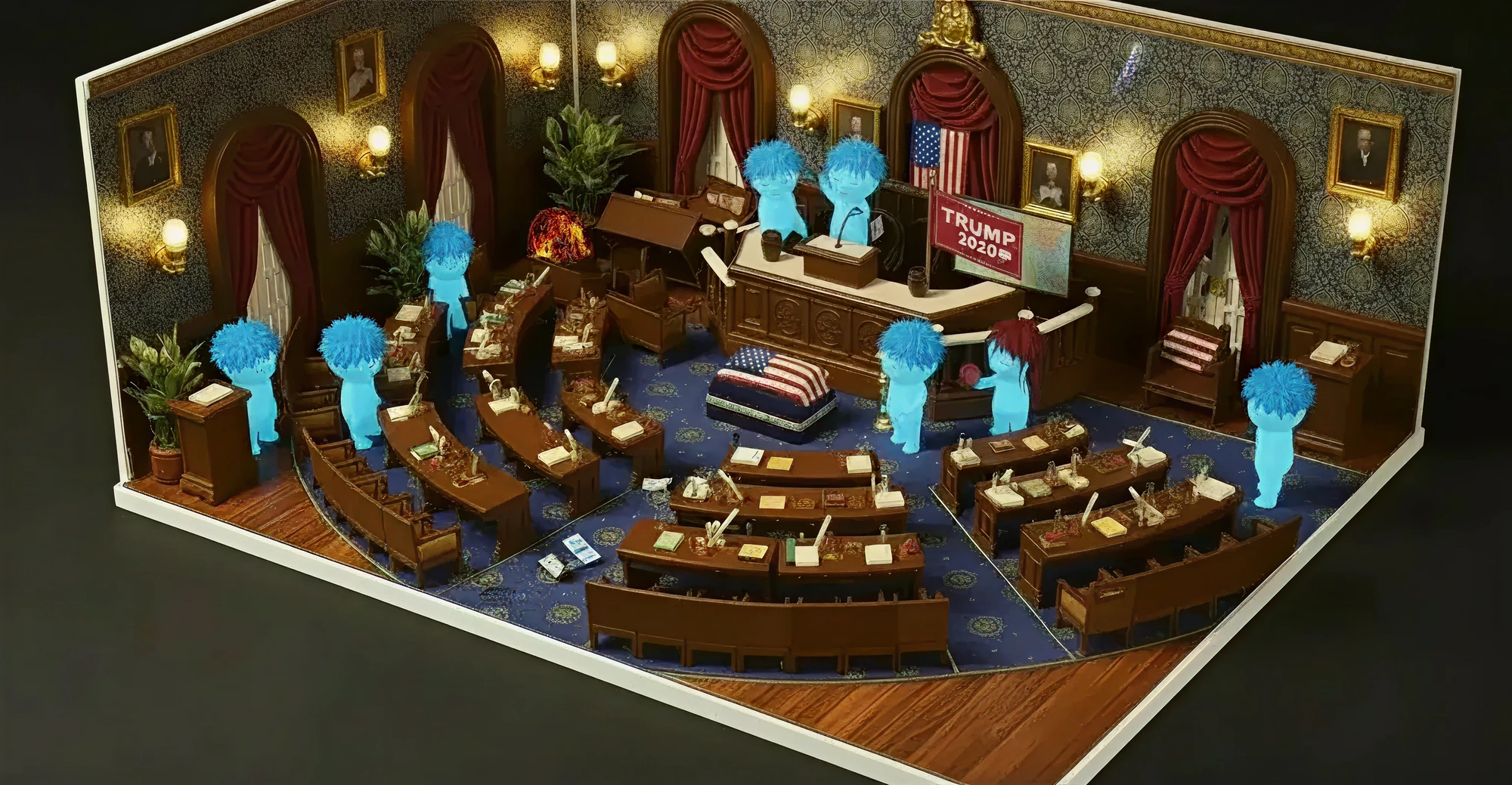
LIMITED EDITION
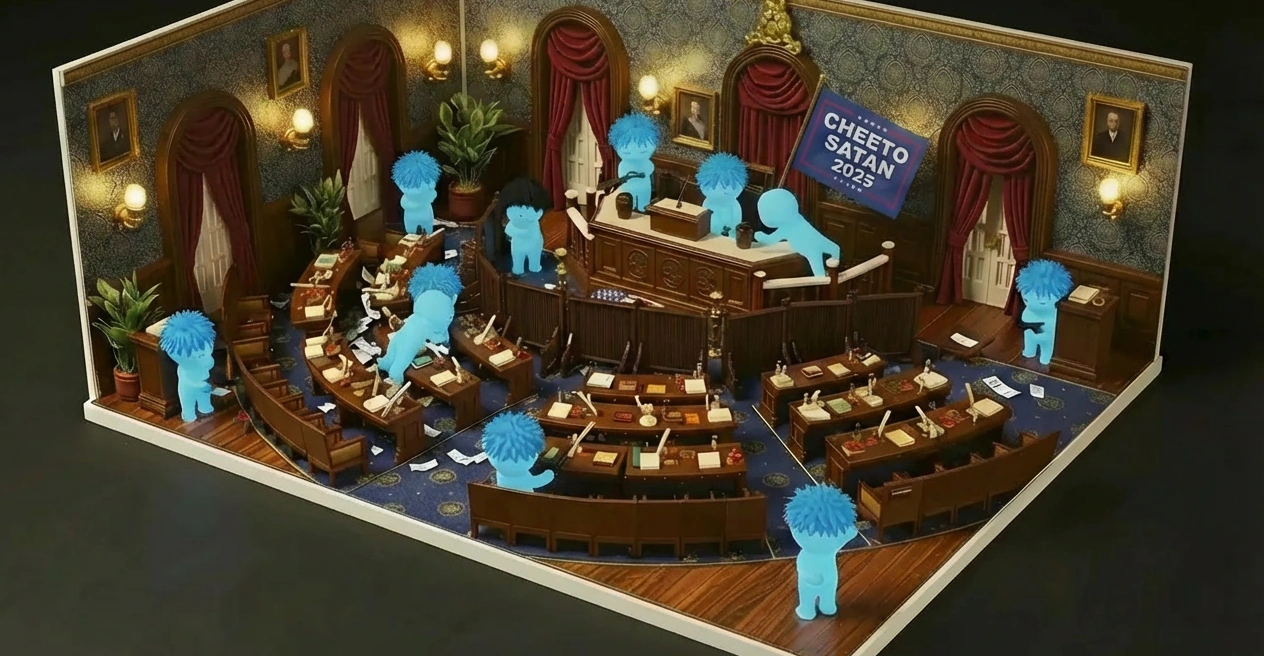
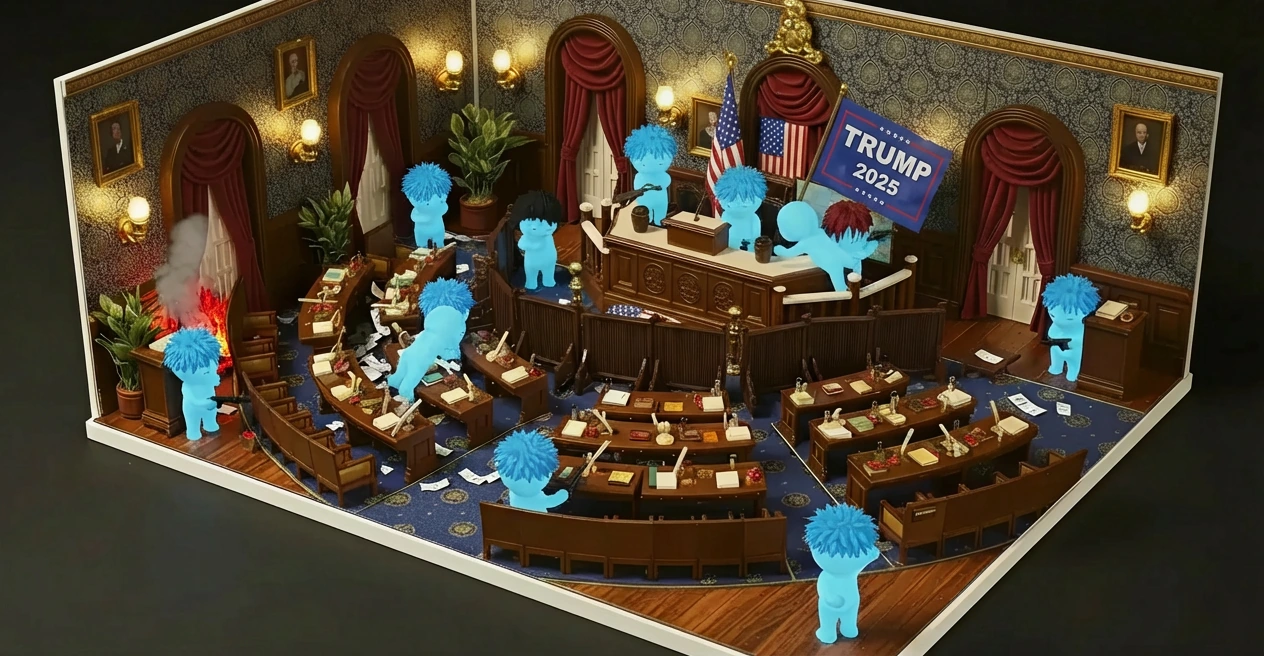
January 32nd Riot. These Mundos disrupted the democratic process in dramatic fashion and somehow avoided consequences entirely. Get this set to discover the little rule-breaker who always slips out the back door.
LIMITED EDITION
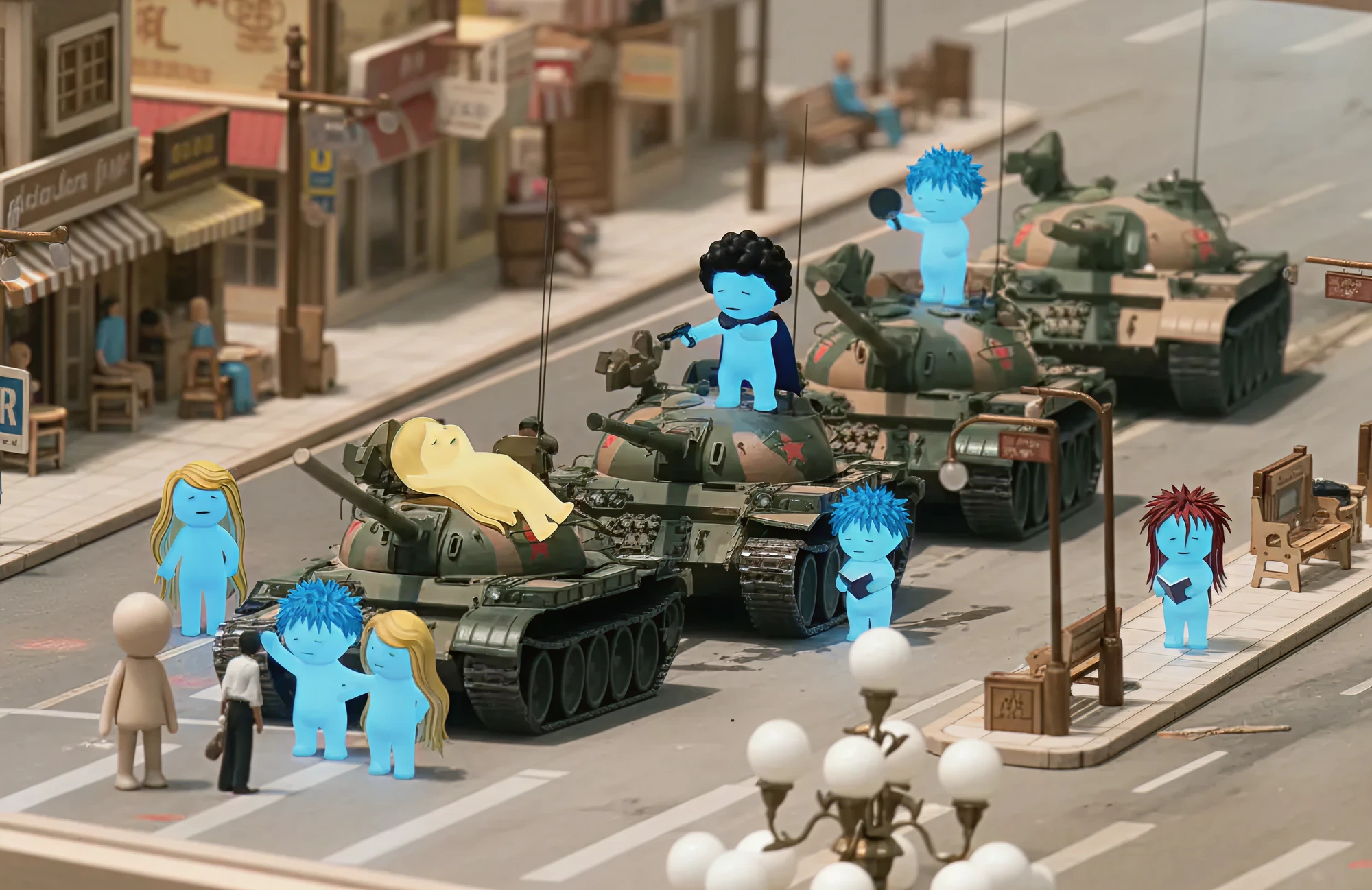
Cinnamon Square. In the world of Cinnamon Square, the government answers every question with a tank and every hope with a curfew. Open this set to find the brave little Mundos who stood still anyway—because even tiny creatures know oppression collapses when people stop being afraid.
We’re thrilled to announce we’ve raised a Series A led by

Ⓙ
Mundos are tiny seekers shaped by feelings, memories, and the planet they wander. Collect them, trade them, and help keep their world, and ours, a little brighter.
We refuse to accept a future where climate action has mostly meant checking a box when you fly, or choosing ‘carbon neutral shipping’
Mundos come in blind boxes. You’ll never know which one you’ll get.

Some come in slim. They’ve been born with a light amount of carbon.
Others come in chunky. They’ve been born with a higher amount of carbon.
And then there’s the Rare Legendary Fat Princess. They are born with a carbon so big, companies want to buy it from you.
You’ve met the creatures… now step into their worlds. Six sets, each with five tiny friends waiting to be found.
In Love
Finding the Light
“It’s not you it’s me”
Going alcoholic to fill the void
Player era to tell myself I’m still desirable
Therapy
In Love. These Mundos are soft, dreamy, and full of warmth. Open this set to meet the little creature diving headfirst into everything.
Finding the Light. These Mundos wander with calm eyes and peaceful vibes. Open this set to see if you found the little seeker looking for signs and tiny miracles.
“It’s not you, it’s me.” These Mundos are in a post-breakup spiral. Open this set to see if you pulled the one who cries at grocery store music and swears off dating (until next week).
Going alcoholic to fill the void. These Mundos thrive on chaos. Open this set to see if you found the tiny creature who parties hard and insists they’re “totally fine” while glowing a bit too brightly.
Player era to feel desirable. These Mundos are flirty and carefree. Open this set to see if you pulled the one who collects compliments and falls for people they just met.
Therapy. These Mundos are calm and reflective. Open this set to see if you found the one learning boundaries and discussing feelings like it’s a new hobby.
Every Mundo is a figurine first : cute, collectible, and yours.
But each Mundo is also tied to a verified carbon cleanup project somewhere in the world. That cleanup has a real serial number and a real market value, because companies use these cleanups (also called carbon credits) to offset the emissions they can’t avoid.
You, as the owner, can trade your Mundo with other people. Some trade for characters they love. Others trade for cleanups they want; maybe a bigger one, maybe a smaller one, maybe a rarer one. And if you get the Rare Legendary Fat Princess which contains one of the rare, high-value cleanups, companies may buy that cleanup from you outright. Not because it’s cute, but because they need the environmental value attached to it.
You keep the toy. They buy the cleanup proof.
It’s a fun collectible… that also holds a real piece of climate action.
A Mundo is a collectible figurine with a real carbon credit attached. Each character connects you to a carbon project and a specific amount of emissions reduced or removed. A little friend for your shelf, with something real behind it.
You choose a collection, but the character inside stays a surprise until you open the box. Some Mundos are rarer than others, and their associated cleanup amounts can vary. You might meet your favorite immediately, or discover someone you weren’t expecting.
Different Mundos carry different amounts of carbon credits as part of the collection. Some represent a smaller amount; others hold more. The amount refers to the emissions represented by the attached credits, not the physical size of your little friend.
It means the credit attached to your figurine comes from a specific project that reduces emissions or removes carbon from the atmosphere. That connection should be traceable through project information and credit records. Your Mundo represents that work; the figurine itself doesn’t absorb carbon.
Details to be confirmed. Your Mundo’s record should show its associated amount in kilograms or tonnes of CO₂ equivalent, along with the project behind it and whether the credit is still available to trade or has been retired.
You’re trading the carbon credit associated with your Mundo. The credit represents a documented amount of emissions reduced or removed, and ownership can pass to another buyer. Once a credit is retired, it is taken out of circulation and can no longer be traded.
That’s the proposed setup: keep your little friend and transfer the associated carbon credit separately. After a sale, the figurine remains yours, but the credit and the right to use it belong to the buyer. Details to be confirmed.
Companies buy eligible carbon credits to support climate projects and, when retired, use them toward specific climate commitments. A company could be interested in the credit associated with your Mundo if it meets its requirements. Its interest would depend on the underlying project and credit, rather than how adorable your figurine is.
There isn’t a fixed amount. A credit’s value depends on factors such as the project, the quantity, its verification, and buyer demand. A rare figurine doesn’t automatically carry an expensive credit, and neither rarity nor ownership guarantees a sale or a profit.
Details to be confirmed. This is where you’ll find the supported selling process, any fees, and the requirements for transferring your credit. Until those arrangements are confirmed, we can’t promise a trading venue or immediate cash-out.
A carbon credit generally represents one metric tonne of carbon dioxide equivalent that a project has reduced or removed. Think of it as a recorded unit of climate work that can be bought, transferred, and eventually retired. “CO₂ equivalent” lets different greenhouse gases be measured using the same unit.
Verification involves checking a project’s methods, measurements, and results against a carbon standard, typically through an independent auditor. Registry records then help track the credits issued and whether they have been retired. Details to be confirmed.
The aim is to connect your purchase to verified work that reduces or removes emissions and give you a tangible way to participate. The exact contribution depends on the project and how the attached credit is sourced and used. Simply holding or trading a credit doesn’t automatically offset your own emissions, and transferring it doesn’t create another round of cleanup.
Details to be confirmed. Carbon projects can work in different ways: some remove carbon already in the atmosphere, while others reduce or avoid emissions. Each Mundo’s project information should explain which kind of work its credit represents, where it happens, and how it is measured.
Retirement means permanently taking the associated credit out of circulation so it can’t be sold or used again. It records that the credit has been used for a stated purpose, rather than kept for a future buyer. Your figurine can stay on your shelf. Details to be confirmed.
Finally, a grown-up reason to buy a tiny friend
January 32nd Riot
LIMITED EDITION
Cinnamon Square
LIMITED EDITION
January 32nd Riot. These Mundos disrupted the democratic process in dramatic fashion and somehow avoided consequences entirely. Get this set to discover the little rule-breaker who always slips out the back door.
Cinnamon Square. In the world of Cinnamon Square, the government answers every question with a tank and every hope with a curfew. Open this set to find the brave little Mundos who stood still anyway—because even tiny creatures know oppression collapses when people stop being afraid.